
Constipation – what is it?
I always put being constipated down to hormones as for me it always connected with my monthly cycle. But now I’m through the menopause it still appears from time to time. The pain can be excruciating with soreness for days. What’s going on?
First of all, people are diagnosed with chronic constipation if it has persisted for three months or more. There can be underlying medical conditions causing this. We now know that constipation can go hand in hand with depression, as both may be caused by an unhealthy gut microbiota. These are the trillions of microbes that live in our large intestine and help with many of the functions we’re describing in this article.
What I’m considering here is the occasional bout of constipation that we may be able to care for ourselves. If your symptoms have gone on for weeks then see your Doctor. Our occasional constipation can be defined as passing small hard poos and/or not going very frequently, so perhaps not having gone for a few days.
How do I know what’s good or bad bowel movement?
I suspect you know how often you do a poo so know what is healthy for you. Some people are mightily regular and go once or twice a day. So what is healthy for one person might be different for someone else. For constipation when I experience it, I can go several days without a poo.
You can also tell by looking at the poo shape. The wonderful city of Bristol gave us the Bristol stool chart. It classifies seven types of poo by its shape. Types 1 and Two are constipation. Here is what they describe for constipation:
- Type 1: Separate hard lumps, like nuts. hard to pass (indicates severe constipation)
- Type 2: Sausage-shaped but lumpy (constipation).
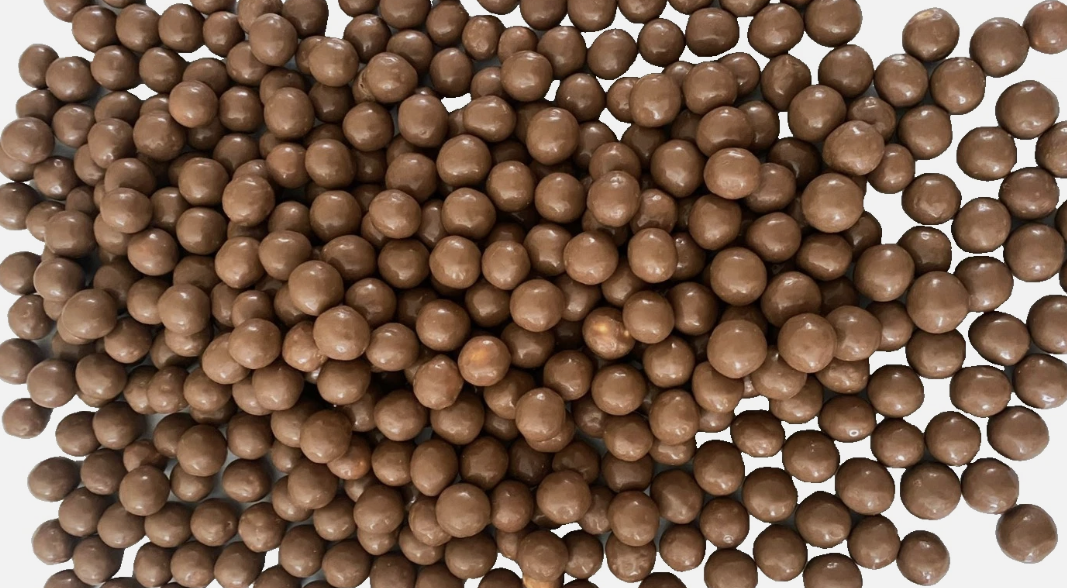
I’m Type 1 a lot of the time – what I’d describe as a bag of maltesers. And sometimes it does not shift at all. Ouch.
Various lifestyle things can affect this and whilst I’m always trying to work out what is best for me, here is what I have read in the science papers. There are the obvious things like diet and exercise that can effect us here.
Dietary fibre is important
Dietary fibre is the most important food component when we are thinking about bowel health. Fibre is the cellulose component of plants that our bodies cannot digest. Fibre in the diet from oat bran or jacket potato skins are valuable for the gut as the fibre bulks out the digestive contents and helps form larger poo. If we have low levels of fibre in our diet which may be the case if we eat quite a lot of prepared meals or processed food – this can cause constipation, but it is not the only cause.
The fibre gives the walls of the large intestine something to move against – a bit like being able to flex muscles – and it helps the bowel keep in shape. The added roughage should aid going to the toilet. Foods containing this bulking fibre or we call it insoluble fibre include oats, bran, wholesome cereals and jacket potato skins.
Another type of fibre found in fruits like prunes, figs and apricots is called soluble fibre. These are less-bulking but are great as the gut bacteria ferment them and produce helpful short-chain fatty acids. These are fats that keep the bowel wall healthy and can regulate motility. These gorgeous sticky fruits also contain sugars that can help water be retained in the poo and so soften it. This can help lubricate and move things along. Some people are sensitive to soluble fibre though – so do make any diet changes slowly if this is you.
Linseed (same as flax seeds) can be soaked in water to become more gel-like and used on morning cereals or in yoghurt. They can also help lubricate and provide a soft bulk to the poo.
It is surprising though that many healthy diets like the Mediterranean diet although intuitively should be healthy for the bowels, there haven’t been many studies looking at the diet as a remedy for constipation. I’d say I have a healthy and vegetable-full diet and I still suffer. Maybe I’m not eating enough bran and fruit – I think sometimes we think we are healthy but we may let things slip for a few days.
In a review of research by the British Dietetic Association, they summarised that dietary fibre was the most important thing to supplement, particularly psyllium, followed by probiotics, magnesium, kiwi fruit, rye bread and mineral water.
In the next blog post on the topic, we’ll explore other things we can do to help ease constipation.