

There is nothing more draining than feeling low. This can be a whole range of experiences from feeling down, low mood, low motivation, having negative thoughts, and right through to being diagnosed with depression. It is something I have experienced in my life and feel so much better now – is that because the things stressing me are gone, or have I learned some of the secrets for lifting myself up? Disclaimer – I’m not a psychology expert. What I share here is my lived experience, my learnings from working in an amazing herbal wellbeing company, and also from my health coach work.
What is low mood?
What actually is going on in the body? Feeling low can be understood psychologically, and people might indicate they feel depressed, can’t get out of bed, have lost hope, or any of a number of things you might get asked on a mood questionnaire. We also can understand low mood by the chemistry although it is wrong to consider it to be a chemical imbalance as there will be factors causing the imbalance. But for chemicals that are linked to depression we are referring to serotonin, dopamine and noradrenaline. Serotonin is called our “happy” hormone and can be depleted when we are depressed. Dopamine is our “Mr Motivator” and drives us to do things.
Depression and the body – particularly the gut
Our mood is not just about our heads. It can affect us physically. If someone is diagnosed with depression they can feel deeply fatigued, they may experience pain and may well have sleep or digestive problems.
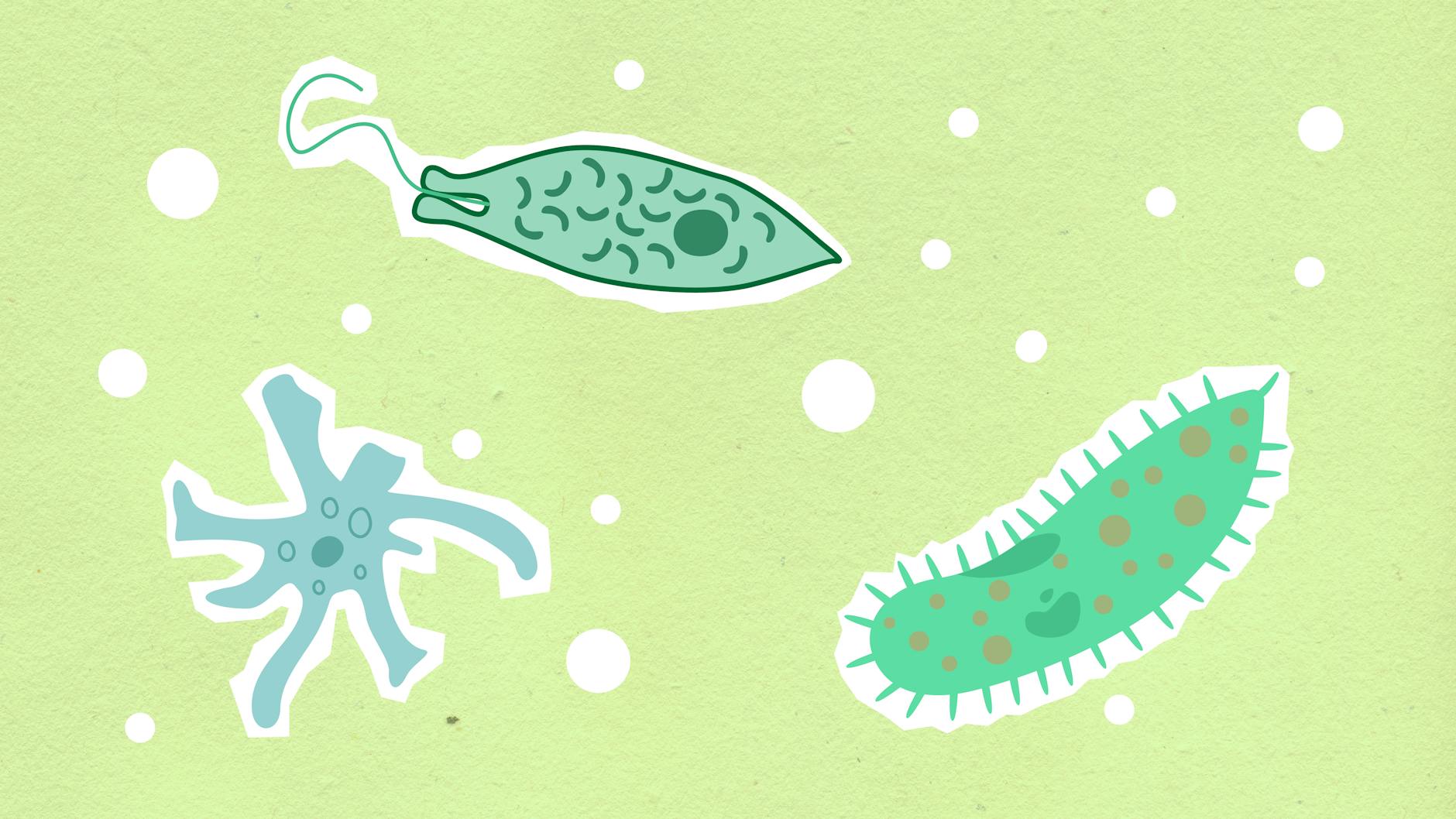
Intriguing research now shows that our gut microbiota can also be linked to depression. This is the vast colony of microorganisms – bacteria, fungi, viruses – that live in our large intestines or lower bowel. Research shows that the microbiota might be imbalanced in people with depression, and people who have taken antibiotics which disrupts the microbiota may be at more risk of mood disorders. Much more research is needed to say if there is a definitive link, but it certainly looks like there is some connection between our mood and our gut ecosystem. So therefore, having a healthy wholesome diet will also be important.
Other causes of low mood
Alcohol can also disrupt our mood and you may or may not feel that this is a factor for you. Intriguingly we know that alcohol use disrupts the microbiota, and this can result in a leaky gut and inflammation in the body, all of which can also contribute to mood-disorders.
We know this too from research using probiotics which are beneficial bacterial strains that can be taken as supplements; the studies show that probiotics support the microbiota and reduce inflammation, helping overcome some of the damaging effects of alcohol.
Lift our mood by waking up well
If you are reading this with a low mood, have feelings of anxiety or would describe yourself as depressed, then speak with your Doctor as soon as possible. In this section I’m thinking about how to intervene early on. How can we wake up well to stop the day developing in a gloomy way. Some of these suggestions may not work if you are really feeling mentally unwell as you may feel they put pressure on you.
How to wake up well! This is something I do a lot in the winter months. I also really struggle on a Monday which is strange as I now work for myself, but have this niggling sense of fear still which may have come from my school or work days! To wake up well I do the following:
- Wake up and smile
- Do not reach for your mobile phone
- Think of some joyful things that may happen today
- Maybe create three fabulous words that you say to yourself each day
- Get up and make tea (or enjoy tea that hubby brings me)
- Do exercise – even 5 minutes of yoga or lift some weights
- Have a light or hearty breakfast
There has been research to suggest that fostering positive emotions like happiness and joy can reduce depression. In a small study, mothers and their children who focused on positive aspects and shared gratitude felt less depressed at the end of the study. So waking up well or bringing positive thoughts into your day, may have a scientific basis to it, although more research is needed to really understand why.
Step outside for a boost
Particularly in the winter and on gloomy Mondays, it is really helpful to step outside into the daylight. Even better, connecting with a plant, stepping into a garden, or walking in nature is so good for us mentally.
Those who can’t get outside, even connecting with a plant can be lovely. Biophilia is the word used to describe how humans are inherently connected to nature although we may have forgotten that we are! There is research that suggests that house plants, pictures of plants and sounds of nature can all be calming and mentally soothing. As humans increasingly live in cities and have detached from nature, so mental illness has increased. This is a really easy fix for us – buy a plant, or a picture of one that is luscious and green.
I love the sounds of nature too. You may like to explore My Noise which is a beautiful sound resource form birdsong to the sea.
Mind-body practices
There are so many beautiful practices we can enjoy to soothe our body and minds. You’ll be familiar with yoga, meditation, and movement techniques like Tai Chi or Qigong. The benefits from these activities are numerous – improving blood flow, helping us regulate our blood sugar, feeling positive about ourselves, and releasing positive chemicals in the brain.
Here are some beautiful techniques to consider – I love this 10 minute Qigong routine.
Tips for a brighter mood
- These tips are for anyone feeling low and offer simple ways for us to care for ourselves or our loved ones. If you are feeling desperately sad or have experienced symptoms for a while then do seek professional advice.
- Sit for five minutes and think what is causing your low mood – are there obvious factors like work, relationships or alcohol consumption that you need help with?
- Are you eating a wholesome diet with lots of healthy veggies to feed your gut microbiome as this may be associated with our mental wellness.
- Can you create a morning routine to wake up well, including positive thinking, joyful movement and connecting with nature?
- Are their mind-body practices that you would like to try like yoga, Tai Chi or Qigong?
Useful organisations