In the first article I introduced the topic of constipation as it is something I experience. I wrote about the importance of diet, and how certain foods like the fibre in bran or soft fruit are important to prevent constipation, or can be introduced if we are struggling. In this article we’ll look at other things we can try day to day.
Exercise
Doing exercise at a moderate-intensity like walking and cycling is helpful for various gut disorders including irritable bowel syndrome, inflammation and constipation. A brisk walk each morning could be something to try as it will improve motility which is the muscular contractions in the bowel, and exercise can also reduce inflammation which could ease the stress on the bowel. In one big review of exercise and digestion – high intensity exercise like running was less helpful to the bowel, as was prolonged exercise. So moderate exercise might be the way to go if you are experiencing constipation.
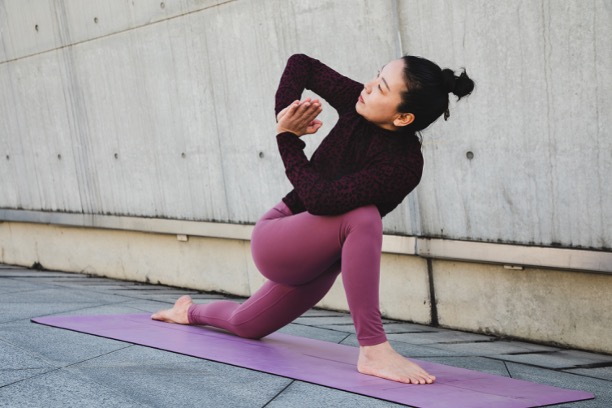
Lovely mind-body activities like yoga, Qigong and Tai Chi can be helpful. In yoga, the twisting poses can help massage the abdomen. Sit on a dining room chair facing forward. Twist to the right gently…then to the left. You can also sit on the floor with your legs stretched out in front and twist in the same way.
These activities are doubly helpful as they will also be relaxing and this too is healthy for the gut. We know our gut and mind is connected through the “gut-brain axis”, and these mind-body movements can therefore be doubly helpful. There are some lovely yoga poses here on Healthline.
Hydration
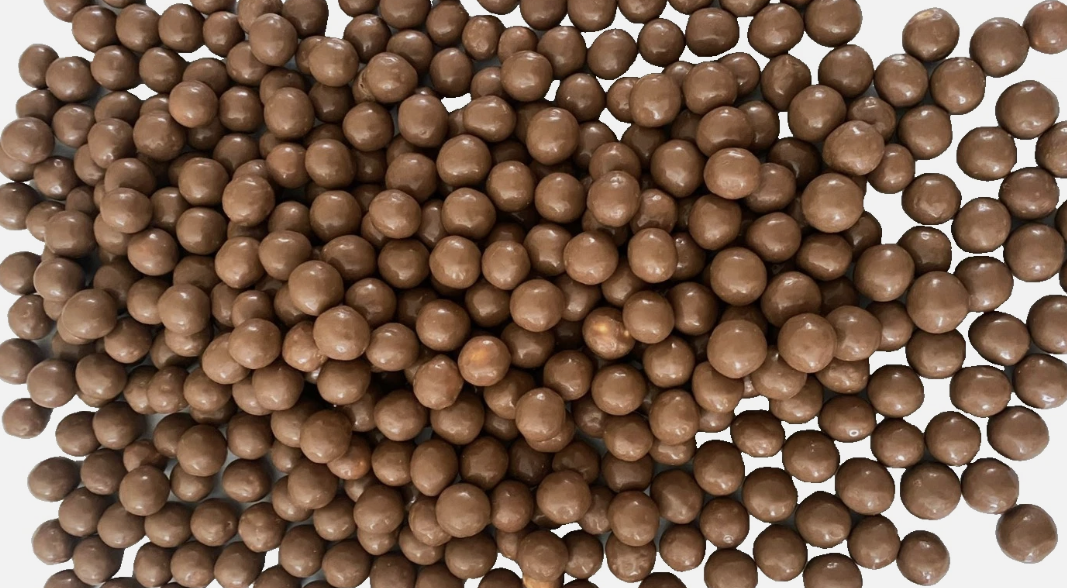
Staying hydrated is very important. One of the roles of the large intestine is to conserve water and it absorbs it back into the blood stream. So if we are dehydrated, it will extract water from the poo leaving it even harder and possibly more malteser-like. Having a couple of glasses of water would be something to do immediately if you are struggling. Sometimes if we’ve had a busy day and reached for the coffee, or if we’ve drunk alcohol the day before, we may well be dehydrated.
Stress and anxiety
Stress and anxiety can disrupt the bowel. Your sympathetic nervous system will be placing you in fight, fright or flight mode and you’ll be feeling pretty rotten. It will be overriding the parasympathetic nerves which control our rest and digest functions, so as that suggests, this will impair the working of our digestive system. Indeed stress can upset our guts – sometimes we may experience diarrhoea instead of constipation. It would be worth thinking what is going on for you in your life that might be stressing you. Then head for something relaxing.
Coffee
Coffee can stimulate bowel motility so a strong cup might be something to try. But not late on in the day as it might keep you awake.
Gentle ways to go with foods and herbs
I started to mention the importance of soluble and insoluble fibre in the first article, although to note that some people with irritable bowel syndrome may be sensitive to soluble fibre such as that found in soft fruits and onions, and be using a FODMAP diet There are other plant-based foods that can bulk the poo out and help. For breakfast try psyllium husks or linseed (flaxseed) on your cereal or porridge. These help soften the poo and make it easier to pass. You can take a little of these foods each day and see how you go.
The herbal formula Triphala which means three fruits is available in capsules and is an Ayurvedic remedy comprising three plants – Amla, Haritaki and Bibitaki. These are the fruits of the trees that are then dried and powdered. Triphala is best take as a dried powder in a capsule as it does taste bitter, but I find a couple of capsules in some warm water before bed a soothing way to go. This usually has its effects the following day.
Fennel is also a nice soothing herb on the gut and can relieve spasms and bloating. It might not be the strongest remedy for constipation, but it is delicious in a tea.
Laxative products
If you feel that the diet and exercise advice is not helping, then you should speak with your Pharmacist about using a laxative.
You can purchase fibre supplements that are bulk-forming like Fybogel or Psyllium. It is suggested that 10g a day is helpful. Other laxatives work in different ways and some are more stimulating like the plant senna. Your pharmacist will advice, but ideally you should not reach for these regularly as they can impair bowel function long term and slow things down altogether.
Finally
If you are a fellow sufferer, there may be some dietary advice, herbs, exercise or other tips that are helpful here. Some people also find relief from squatting more naturally, and there’s the elegantly named squatty potty that you can try. As I’ve said already, if you need an over-the-counter remedy then do speak with your Pharmacist and they’ll be super helpful. If you are worried about your symptoms then do see your Doctor straight away. Do check the NHS website for advice for yourself, and particularly if you are worried about a child.