Constipation – background and causes

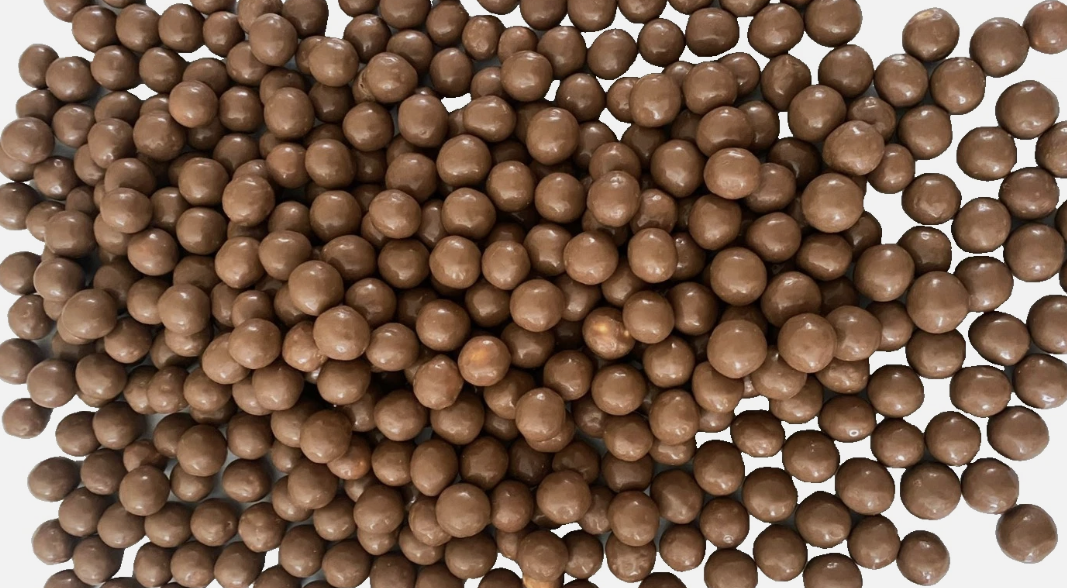
Small round chocolates

Constipation – what is it?

I always put being constipated down to hormones as for me it always connected with my monthly cycle. But now I’m through the menopause it still appears from time to time. The pain can be excruciating with soreness for days. What’s going on?

First of all, people are diagnosed with chronic constipation if it has persisted for three months or more. There can be underlying medical conditions causing this. We now know that constipation can go hand in hand with depression, as both may be caused by an unhealthy gut microbiota. These are the trillions of microbes that live in our large intestine and help with many of the functions we’re describing in this article.

What I’m considering here is the occasional bout of constipation that we may be able to care for ourselves. If your symptoms have gone on for weeks then see your Doctor. Our occasional constipation can be defined as passing small hard poos and/or not going very frequently, so perhaps not having gone for a few days.

How do I know what’s good or bad bowel movement?

I suspect you know how often you do a poo so know what is healthy for you. Some people are mightily regular and go once or twice a day. So what is healthy for one person might be different for someone else. For constipation when I experience it, I can go several days without a poo.

You can also tell by looking at the poo shape. The wonderful city of Bristol gave us the Bristol stool chart. It classifies seven types of poo by its shape. Types 1 and Two are constipation. Here is what they describe for constipation:

  • Type 1: Separate hard lumps, like nuts. hard to pass (indicates severe constipation)
  • Type 2: Sausage-shaped but lumpy (constipation).

I’m Type 1 a lot of the time – what I’d describe as a bag of maltesers. And sometimes it does not shift at all. Ouch.

Various lifestyle things can affect this and whilst I’m always trying to work out what is best for me, here is what I have read in the science papers. There are the obvious things like diet and exercise that can effect us here.

Dietary fibre is important

Dietary fibre is the most important food component when we are thinking about bowel health. Fibre is the cellulose component of plants that our bodies cannot digest. Fibre in the diet from oat bran or jacket potato skins are valuable for the gut as the fibre bulks out the digestive contents and helps form larger poo. If we have low levels of fibre in our diet which may be the case if we eat quite a lot of prepared meals or processed food – this can cause constipation, but it is not the only cause.

The fibre gives the walls of the large intestine something to move against – a bit like being able to flex muscles – and it helps the bowel keep in shape. The added roughage should aid going to the toilet. Foods containing this bulking fibre or we call it insoluble fibre include oats, bran, wholesome cereals and jacket potato skins.

Another type of fibre found in fruits like prunes, figs and apricots is called soluble fibre. These are less-bulking but are great as the gut bacteria ferment them and produce helpful short-chain fatty acids. These are fats that keep the bowel wall healthy and can regulate motility. These gorgeous sticky fruits also contain sugars that can help water be retained in the poo and so soften it. This can help lubricate and move things along. Some people are sensitive to soluble fibre though – so do make any diet changes slowly if this is you.

Linseed (same as flax seeds) can be soaked in water to become more gel-like and used on morning cereals or in yoghurt. They can also help lubricate and provide a soft bulk to the poo.

It is surprising though that many healthy diets like the Mediterranean diet although intuitively should be healthy for the bowels, there haven’t been many studies looking at the diet as a remedy for constipation. I’d say I have a healthy and vegetable-full diet and I still suffer. Maybe I’m not eating enough bran and fruit – I think sometimes we think we are healthy but we may let things slip for a few days.

In a review of research by the British Dietetic Association, they summarised that dietary fibre was the most important thing to supplement, particularly psyllium, followed by probiotics, magnesium, kiwi fruit, rye bread and mineral water.

In the next blog post on the topic, we’ll explore other things we can do to help ease constipation.

How many daily steps is enough?

Walking

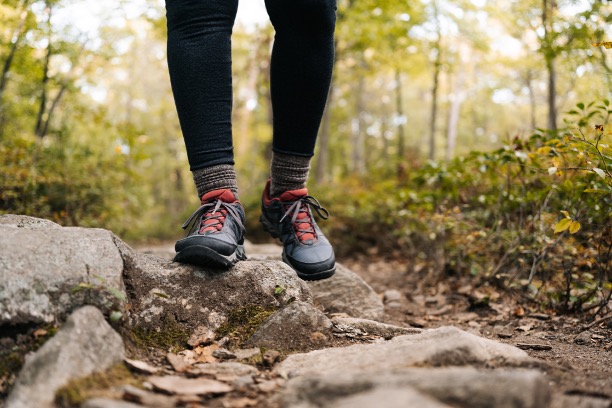
This is a great topic of debate – how many steps per day and how often per week is enough? We all hear that 10,000 steps is the magic number, but Michael Mosley (aww we miss him so much) shared that this came from a 1960’s marketing campaign for a pedometer.

Exciting new research has taken a really comprehensive look at all of the human studies that have been done to look at the health benefits of the number of daily steps. This type of research is called a systematic review and it pools together all clinical trials on a topic and analyses them. The work was led by a fabulously-named Professor Ding Ding, and the authors found 57 clinical studies in all and looked at the results to see whether number of steps was related to different medical outcomes. These include “all cause mortality” which is a trial measurement that totals up as it says mortality from any cause. It then broke this down by mortality from cardiovascular disease, cancer, depression, type 2 diabetes, falls and other outcomes.

What did they find?

They did the maths to compare different numbers of steps in the data. The found 7000 steps per day to be beneficial with a 47% lower risk of all-cause mortality, a 47% lower risk of cardiovascular disease mortality, and lower risk of cancer mortality, type 2 diabetes, dementia, risk of falls and depressive symptoms. They do suggest that more research is needed in some areas, to strengthen the data.

What to take away

The results are quite compelling – achieving around 7000 steps per day is beneficial for our health and protects against potential future illness. Of course what we don’t know is whether the people within these studies were on similar diets and had similar lifestyles, but it would be unlikely as the studies were from all over the world and across different age groups.

But as a health goal, trying to achieve 7000 steps a day, or as much as can be achieved over a week, is a good thing. This feels more achievable than 10,000 as this for me anyway is an hours walk a day which I’d struggle to fit in most days.

How to boost the benefits of walking even more

You can buy hand weights to help give your arms a bit more of a work out. You could do some of your steps briskly to raise your pulse rate. Factoring in a hill is excellent for the heart. Walking any of your steps in nature will provide you with further benefits. We probably want to avoid just walking around streets where there is busy traffic if we can.

Happy walking!

Supporting yourself through low mood

person in blue long sleeve shirt holding yellow flower

There is nothing more draining than feeling low. This can be a whole range of experiences from feeling down, low mood, low motivation, having negative thoughts, and right through to being diagnosed with depression. It is something I have experienced in my life and feel so much better now – is that because the things stressing me are gone, or have I learned some of the secrets for lifting myself up? Disclaimer – I’m not a psychology expert. What I share here is my lived experience, my learnings from working in an amazing herbal wellbeing company, and also from my health coach work.

What is low mood?

What actually is going on in the body? Feeling low can be understood psychologically, and people might indicate they feel depressed, can’t get out of bed, have lost hope, or any of a number of things you might get asked on a mood questionnaire. We also can understand low mood by the chemistry although it is wrong to consider it to be a chemical imbalance as there will be factors causing the imbalance. But for chemicals that are linked to depression we are referring to serotonin, dopamine and noradrenaline. Serotonin is called our “happy” hormone and can be depleted when we are depressed. Dopamine is our “Mr Motivator” and drives us to do things.

Depression and the body – particularly the gut

Our mood is not just about our heads. It can affect us physically. If someone is diagnosed with depression they can feel deeply fatigued, they may experience pain and may well have sleep or digestive problems.

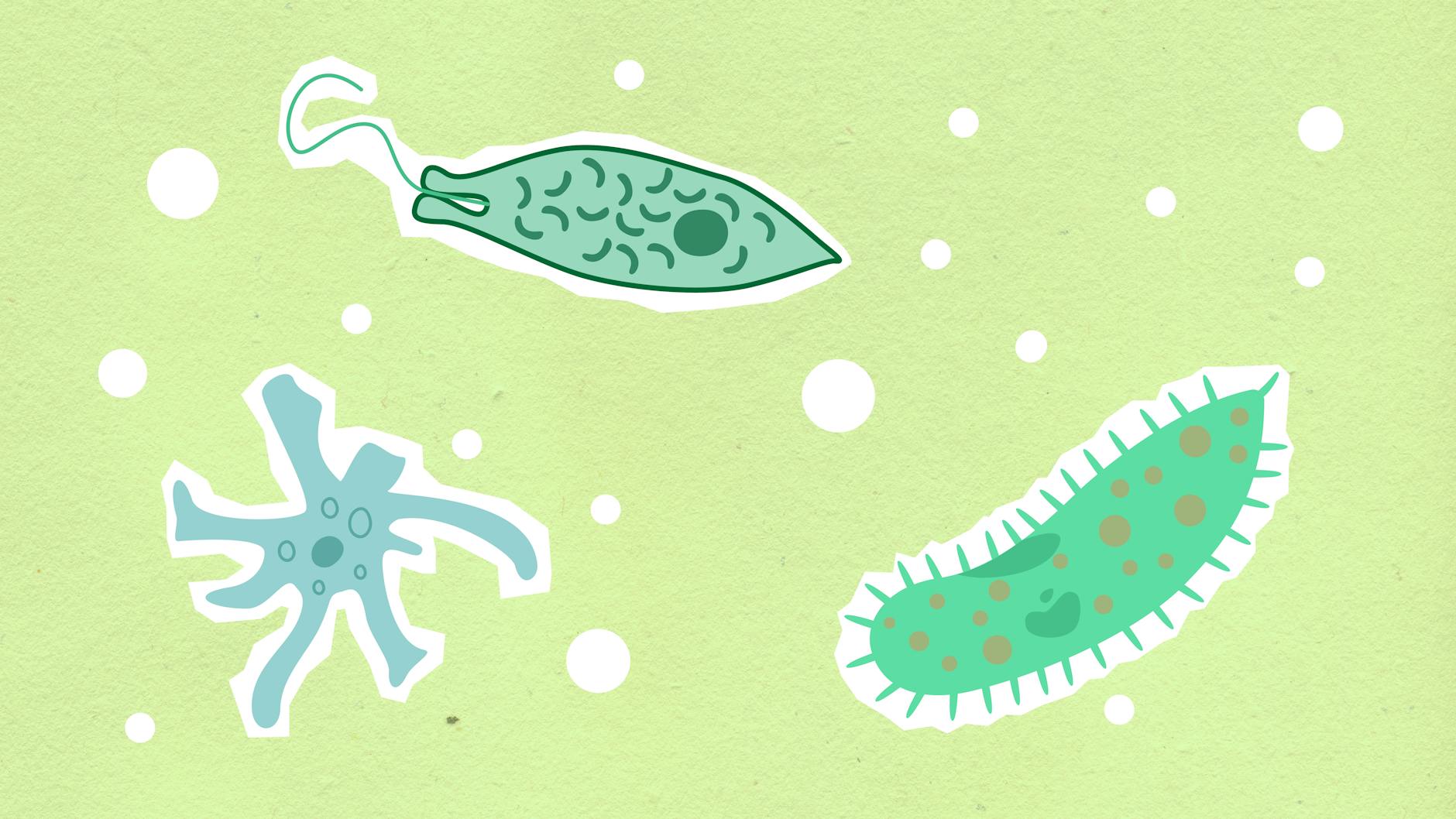
cutout paper illustrations of assorted bacteria on green background
Photo by Monstera Production on Pexels.com

Intriguing research now shows that our gut microbiota can also be linked to depression. This is the vast colony of microorganisms – bacteria, fungi, viruses – that live in our large intestines or lower bowel. Research shows that the microbiota might be imbalanced in people with depression, and people who have taken antibiotics which disrupts the microbiota may be at more risk of mood disorders. Much more research is needed to say if there is a definitive link, but it certainly looks like there is some connection between our mood and our gut ecosystem. So therefore, having a healthy wholesome diet will also be important.

Other causes of low mood

Alcohol can also disrupt our mood and you may or may not feel that this is a factor for you. Intriguingly we know that alcohol use disrupts the microbiota, and this can result in a leaky gut and inflammation in the body, all of which can also contribute to mood-disorders.

We know this too from research using probiotics which are beneficial bacterial strains that can be taken as supplements; the studies show that probiotics support the microbiota and reduce inflammation, helping overcome some of the damaging effects of alcohol.

Lift our mood by waking up well

If you are reading this with a low mood, have feelings of anxiety or would describe yourself as depressed, then speak with your Doctor as soon as possible. In this section I’m thinking about how to intervene early on. How can we wake up well to stop the day developing in a gloomy way. Some of these suggestions may not work if you are really feeling mentally unwell as you may feel they put pressure on you.

How to wake up well! This is something I do a lot in the winter months. I also really struggle on a Monday which is strange as I now work for myself, but have this niggling sense of fear still which may have come from my school or work days! To wake up well I do the following:

  • Wake up and smile
  • Do not reach for your mobile phone
  • Think of some joyful things that may happen today
  • Maybe create three fabulous words that you say to yourself each day
  • Get up and make tea (or enjoy tea that hubby brings me)
  • Do exercise – even 5 minutes of yoga or lift some weights
  • Have a light or hearty breakfast

There has been research to suggest that fostering positive emotions like happiness and joy can reduce depression. In a small study, mothers and their children who focused on positive aspects and shared gratitude felt less depressed at the end of the study. So waking up well or bringing positive thoughts into your day, may have a scientific basis to it, although more research is needed to really understand why.

Step outside for a boost

Particularly in the winter and on gloomy Mondays, it is really helpful to step outside into the daylight. Even better, connecting with a plant, stepping into a garden, or walking in nature is so good for us mentally.

Those who can’t get outside, even connecting with a plant can be lovely. Biophilia is the word used to describe how humans are inherently connected to nature although we may have forgotten that we are! There is research that suggests that house plants, pictures of plants and sounds of nature can all be calming and mentally soothing. As humans increasingly live in cities and have detached from nature, so mental illness has increased. This is a really easy fix for us – buy a plant, or a picture of one that is luscious and green.

I love the sounds of nature too. You may like to explore My Noise which is a beautiful sound resource form birdsong to the sea.

Mind-body practices

There are so many beautiful practices we can enjoy to soothe our body and minds. You’ll be familiar with yoga, meditation, and movement techniques like Tai Chi or Qigong. The benefits from these activities are numerous – improving blood flow, helping us regulate our blood sugar, feeling positive about ourselves, and releasing positive chemicals in the brain.

Here are some beautiful techniques to consider – I love this 10 minute Qigong routine.


Tips for a brighter mood

  • These tips are for anyone feeling low and offer simple ways for us to care for ourselves or our loved ones. If you are feeling desperately sad or have experienced symptoms for a while then do seek professional advice.
  • Sit for five minutes and think what is causing your low mood – are there obvious factors like work, relationships or alcohol consumption that you need help with?
  • Are you eating a wholesome diet with lots of healthy veggies to feed your gut microbiome as this may be associated with our mental wellness.
  • Can you create a morning routine to wake up well, including positive thinking, joyful movement and connecting with nature?
  • Are their mind-body practices that you would like to try like yoga, Tai Chi or Qigong?

Useful organisations

DrinkAware.co.uk

The Samaritans

Young Minds mental health