

Seasonal wheezes and sneezes – reach for the ginger

Ginger

So many people are experiencing hay fever right now which is possibly due to the long hot spring we’ve had. Rain often keeps the pollen at bay, but its been terribly dry. Hay fever is what medically is known as allergic rhinitis and symptoms I’m sure you know well like sneezing, sore nose, runny nose, and irritated streaming eyes. People who suffer badly can struggle to sleep and feel exhausted, and this can really affect their lives, particularly if they work or are sitting exams.

Treatments

Sometimes antihistamine tablets taken orally are the best bet, or if your eyes suffer, taking some soothing eye drops can make a huge difference. But did you know some plants contain antihistamine compounds too – the good old stinging nettle Urtica doica and nigella (Nigella sativa) – which are easy to grow.  Plus onions and capers which contain a compound called quercetin which can reduce allergic pathways.

And also ginger – that was a new one on me!

Ginger can sooth allergic rhinitis

In a good quality research trial, ginger was compared to an over-the-counter antihistamine called Loratadine which you may see on sale as Claritin. People diagnosed with allergic rhinitis took either ginger or loratadine in capsules orally for 6 weeks. The nasal symptoms were measured by a survey – runny nose, itchy nose, nasal congestion and sneezing. A quality of live survey also recorded sleep, emotional and day-time problems encountered. There were 36 people in each group.

The results showed ginger was as good as loratadine for all of the measures. Participants had improved nasal symptoms like less itching, runny nose and sneezing. The quality of life symptoms also improved. There were mild side effects and the main thing experienced was excessive belching due to the ginger, but it did not cause drowsiness or fatigue like the loratadine.

Can ginger specifically help with hay fever?

In the study the patients had rhinitis from many different causes. You can get it from environmental irritants like dust mites or pet dander. Hay fever is an allergic response to pollen, but because the biology is the same, then yes, ginger may be good for hay fever.

I would try and find a good quality ginger supplement so you can take it daily in the right dose. What I don’t know is whether eating raw ginger daily or drinking ginger tea would also help – but it would not do any harm. Ginger can be quite harsh on the tummy so do watch out for any gastric irritation if you are eating raw ginger.

What else to soothe the symptoms?

When I wore contact lenses I’d stop using them as I know the pollen would gather more in my eyes. Using eye washes and eye baths can really be soothing. Vaseline around the nose if you are working outside can trap pollen, and the usual lovely steam baths like mint can help with any decongestion.

Good luck!

Reference:
Yamprasert R, et al. (2020). Ginger extract versus Loratadine in the treatment of allergic rhinitis: a randomized controlled trial. BMC Complementary Medicine and Therapies, 20;20(1):119. doi: 10.1186/s12906-020-2875-z. https://pubmed.ncbi.nlm.nih.gov/32312261/
    Healing power of plants

    Waterlily Glasshouse

    We need no excuse to get outdoors at this time of the year. We all know how nature heals by bathing us in green viridescence created by sun shining through new leaves. We might have read that the lovely aromas of pine forests are also good for us. So it is nice to understand more about this through fascinating research on the power of plants and how they can benefit our health and wellbeing.

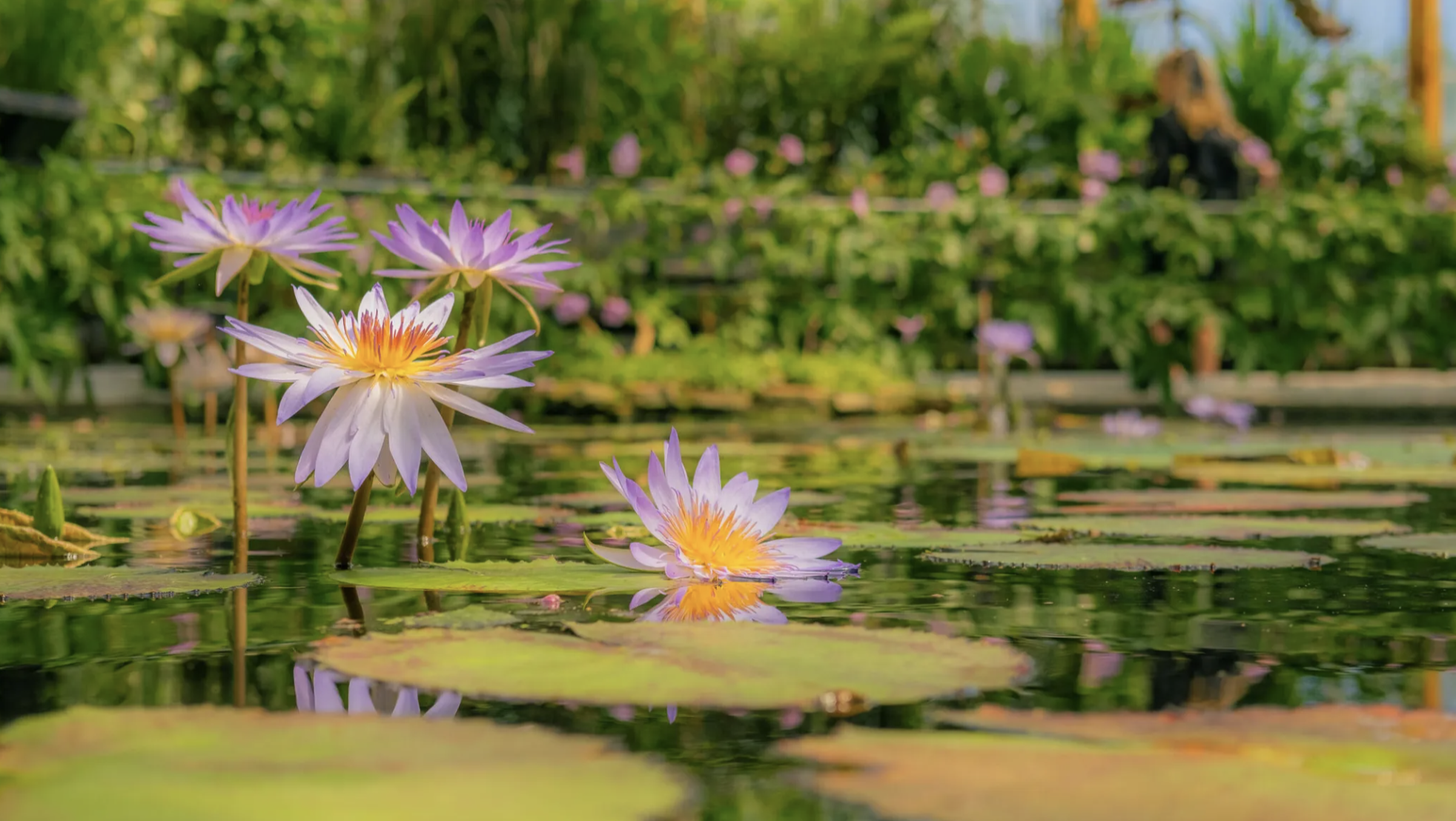
    One study at the Oxford Botanical Gardens led by Tucker in 2026 enrolled participants to experience a plant-free room compared to five of their amazing glasshouses. These were the Arid, Carnivorous Plant, Conservatory, Cloud Forest and Waterlily glasshouses. All the spaces were heated and were similar humidity.

    Participants spent thirty minutes in each space and had psychological and physiological tests to measure their mental wellbeing – particularly anxiety, negative emotions, heart rate and their parasympathetic (rest and digest) response.

    The researchers measured all the scents released in the space (the volatile compounds) to charatcerise the different aromas, and looked at the greenness of the foliage in the spaces. They also measured man-made pollutants including benzene, toluene, ethylbenzene, and xylene.

    What was in the air?

    All of the glasshouses contained higher levels of plant volatiles – the Waterlily House was the richest with many different compounds, and the Arid house contained the least numbers of volatile compounds. The plant-free room contained the highest proportion of man-made polluting compounds which were mainly xylene isomers. I’m presuming the Glasshouses are similar construction so this already shows the power of plants to filter air and remove polluting substances.

    What happened to wellbeing?

    The participants all reported lower levels of anxiety and fewer negative thoughts when sitting in the plant glasshouses for thirty minutes. They saw no change by sitting in the plant-free space. The Waterlily House was the most favoured but we can’t tell whether this was just due to the flowery volatile compounds or the foliage or even something more spiritual in this space.

    There were no observed changes in heart rate or parasympathetic response, and it could be that a larger group of people would be needed for a better study.

    Did the foliage matter?

    The researchers measured the amount of foliage by taking photographs, and more foliage was associated with reduced anxiety scores, but this was not a significant change. It is very likely that it is both the scentscape and foliage that accounts for the positive feelings experienced.

    Plants are amazing!

    I don’t think we needed a study to tell us how important it is for our health to be in nature. But this work is important to inform policy and also funding of our precious botanical spaces. Spending just 30 minutes in a glasshouse improved how people felt. The Waterlily glasshouse seemed to evoke the strongest changes and also contained the highest and richest abundance of volatile compounds in the air.

    Tips for Going Green!

    • Our scentscapes are clearly important to us. How can we recreate something in our homes? Scented geraniums offer us a bright green hues that can brighten up a windowsill and release glorious aromas when we brush past the leaves.
    • Anyone feeling a little low could spend thirty minutes in nature – I would recommend being well-wrapped up and warm to also help you relax.
    • The study also shows how man-made chemicals are higher in some environments that do not contain plants, and these spaces did not reduce anxiety at all. So bring plants into your home if you can.
    • Go and visit your local botanical garden for a wonderful experience anyway, and it will also to help your wellbeing.

    Reference:
    Tucker MR, Kay W, Storer K, Lindström Battle A, Willis K. Smelling Wellness: Associations Between Botanic Garden Scentscapes and Human Health Gains. Int J Environ Res Public Health. 2026 Feb 28;23(3):304. doi: 10.3390/ijerph23030304.

    Constipation – lifestyle changes that may help

    Yoga twist

    In the first article I introduced the topic of constipation as it is something I experience. I wrote about the importance of diet, and how certain foods like the fibre in bran or soft fruit are important to prevent constipation, or can be introduced if we are struggling. In this article we’ll look at other things we can try day to day.

    Exercise

    Doing exercise at a moderate-intensity like walking and cycling is helpful for various gut disorders including irritable bowel syndrome, inflammation and constipation. A brisk walk each morning could be something to try as it will improve motility which is the muscular contractions in the bowel, and exercise can also reduce inflammation which could ease the stress on the bowel. In one big review of exercise and digestion – high intensity exercise like running was less helpful to the bowel, as was prolonged exercise. So moderate exercise might be the way to go if you are experiencing constipation.

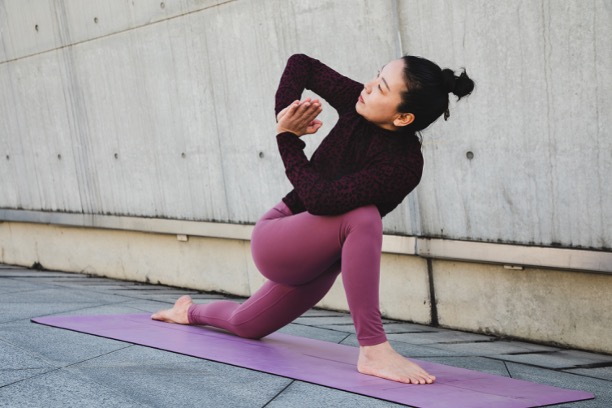
    Lovely mind-body activities like yoga, Qigong and Tai Chi can be helpful. In yoga, the twisting poses can help massage the abdomen. Sit on a dining room chair facing forward. Twist to the right gently…then to the left. You can also sit on the floor with your legs stretched out in front and twist in the same way.

    These activities are doubly helpful as they will also be relaxing and this too is healthy for the gut. We know our gut and mind is connected through the “gut-brain axis”, and these mind-body movements can therefore be doubly helpful. There are some lovely yoga poses here on Healthline.

    Hydration

    Staying hydrated is very important. One of the roles of the large intestine is to conserve water and it absorbs it back into the blood stream. So if we are dehydrated, it will extract water from the poo leaving it even harder and possibly more malteser-like. Having a couple of glasses of water would be something to do immediately if you are struggling. Sometimes if we’ve had a busy day and reached for the coffee, or if we’ve drunk alcohol the day before, we may well be dehydrated.

    Stress and anxiety

    Stress and anxiety can disrupt the bowel. Your sympathetic nervous system will be placing you in fight, fright or flight mode and you’ll be feeling pretty rotten. It will be overriding the parasympathetic nerves which control our rest and digest functions, so as that suggests, this will impair the working of our digestive system. Indeed stress can upset our guts – sometimes we may experience diarrhoea instead of constipation. It would be worth thinking what is going on for you in your life that might be stressing you. Then head for something relaxing.

    Coffee

    Coffee can stimulate bowel motility so a strong cup might be something to try. But not late on in the day as it might keep you awake.

    Gentle ways to go with foods and herbs

    I started to mention the importance of soluble and insoluble fibre in the first article, although to note that some people with irritable bowel syndrome may be sensitive to soluble fibre such as that found in soft fruits and onions, and be using a FODMAP diet There are other plant-based foods that can bulk the poo out and help. For breakfast try psyllium husks or linseed (flaxseed) on your cereal or porridge. These help soften the poo and make it easier to pass. You can take a little of these foods each day and see how you go.

    The herbal formula Triphala which means three fruits is available in capsules and is an Ayurvedic remedy comprising three plants – Amla, Haritaki and Bibitaki. These are the fruits of the trees that are then dried and powdered. Triphala is best take as a dried powder in a capsule as it does taste bitter, but I find a couple of capsules in some warm water before bed a soothing way to go. This usually has its effects the following day.

    Fennel is also a nice soothing herb on the gut and can relieve spasms and bloating. It might not be the strongest remedy for constipation, but it is delicious in a tea.

    Laxative products

    If you feel that the diet and exercise advice is not helping, then you should speak with your Pharmacist about using a laxative.

    You can purchase fibre supplements that are bulk-forming like Fybogel or Psyllium. It is suggested that 10g a day is helpful. Other laxatives work in different ways and some are more stimulating like the plant senna. Your pharmacist will advice, but ideally you should not reach for these regularly as they can impair bowel function long term and slow things down altogether.

    Finally

    If you are a fellow sufferer, there may be some dietary advice, herbs, exercise or other tips that are helpful here. Some people also find relief from squatting more naturally, and there’s the elegantly named squatty potty that you can try. As I’ve said already, if you need an over-the-counter remedy then do speak with your Pharmacist and they’ll be super helpful. If you are worried about your symptoms then do see your Doctor straight away. Do check the NHS website for advice for yourself, and particularly if you are worried about a child.