Herbal teas to aid sleep

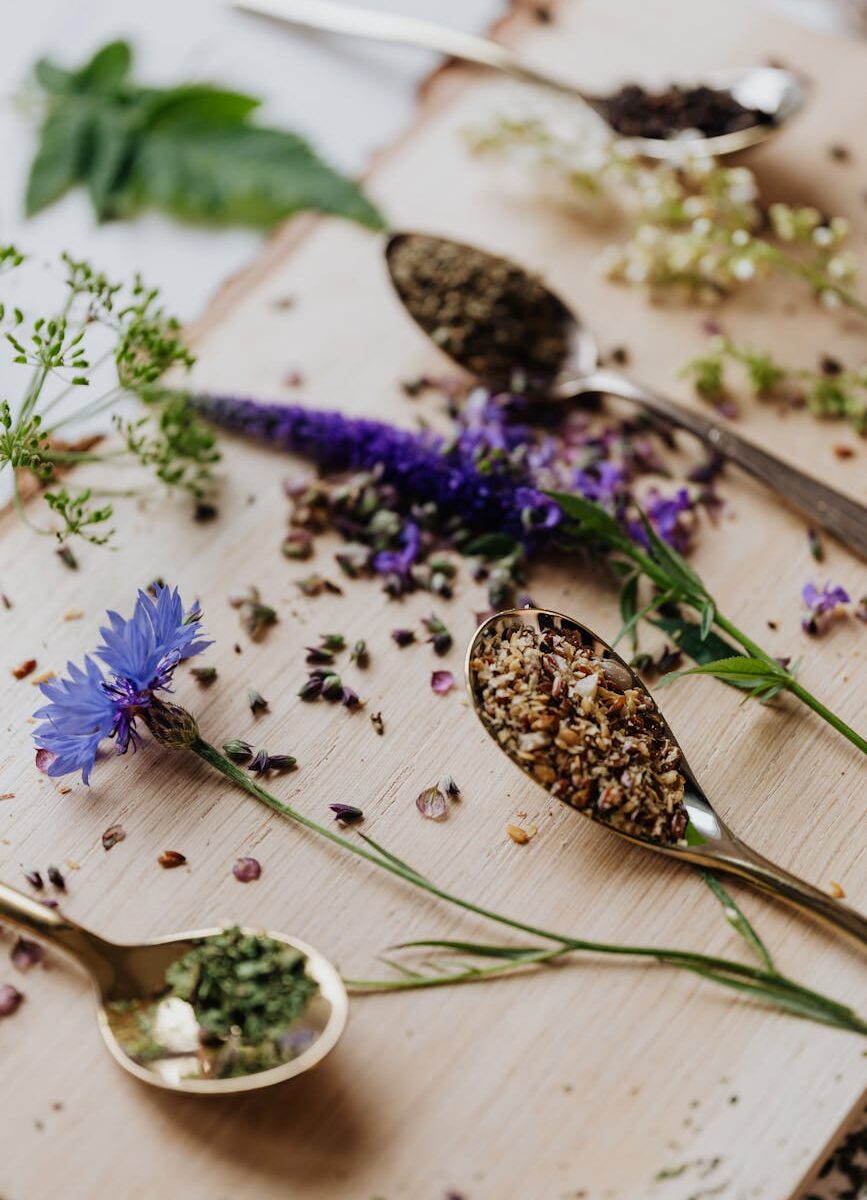
spices and herbs on wooden board

Many plants help us relax and can aid sleep. All of the ones mentioned below are used in many herbal teas available to buy, or you may be able to grow the plants yourself and make your own tea. Many are backed-up by research.

Chamomile
Chamomile

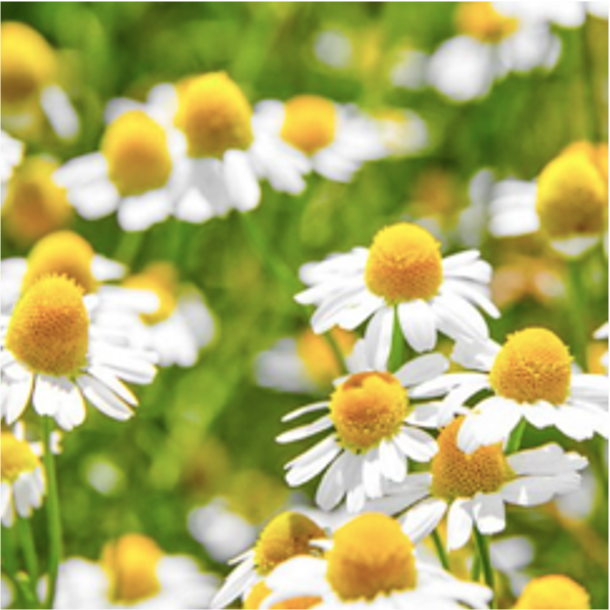
The gentle flowers of chamomile are a good place to start if you want a gentle herb to aid sleep. In England we may find chamomile growing in the fields – this is Field or  Roman chamomile (Chamaemelum nobile or Anthemis nobilis). It has a delicate apple scent but is slightly bitter, but is delicious in a herbal tea. Pick the flowers and use fresh, or buy dried flowers. Chamomile tea has been used to help menstural pain, and also to help sleep in parents with newborn babies.

Lavender
Lavender

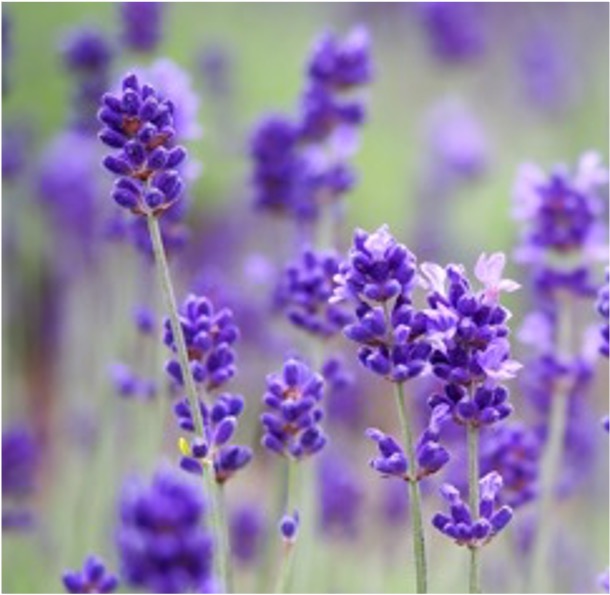
Lavender is a gorgeous plant and the flowers are rich in relaxing essential oils. The flowers do go nicely in a tea, especially combined with chamomile. If you have the essential oil, a tiny drop under the pillow or drops added to a hot footbath, can have lovely calming effects.

Valerian
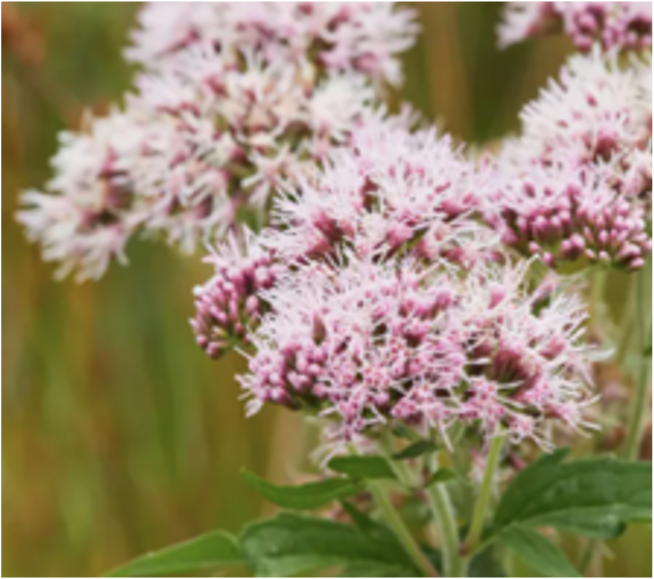
Valerian

Valerian is derived from valere in Latin, meaning to be strong and was traditionally used as a tonic. The dried roots are used in teas and supplements – it is very smelly but the taste does not come through in a tea. Valerian is a strong hypnotic, so I would not recommend it in high levels in a tea if you are buying or blending yourself. It can cause vivid dreams, but that also means you have slept deeply.

Hops

Hops

Hops are in the same family as cannabis. They are deeply sedating and the female flowers exude a sticky resin containing essential oils. Hops are incredibly bitter so will dry your mouth, but they can be a strong addition to a tea blend in small amounts. Hops in beer will of course make you sleep too but be careful as alcohol will disturb your sleep.

Lemon balm
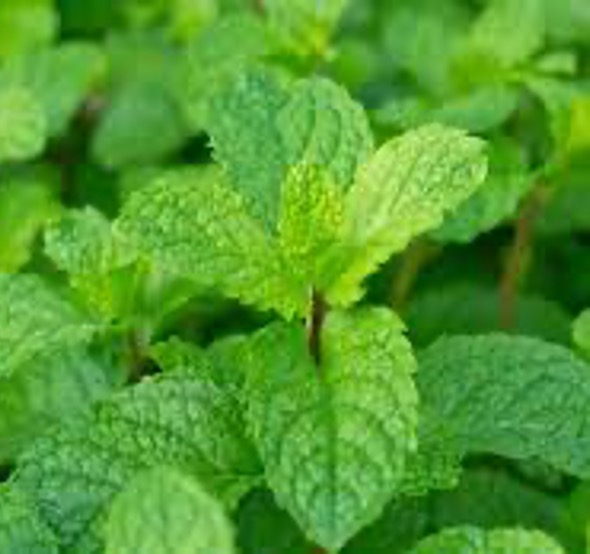
Balm

In women going through the menopause, lemon balm can be helpful to aid symptoms like hot flushes and also support sleep. Balm is a glorious and uplifting herb in the mint family. Fresh balm in a teapot before bed is ideal, or you can dry bunches of the herbs for use over the winter months.

Herbal tea tips

  • Many herbs are used to aid sleep. Strong herbs include hops and valerian. Gentler herbs for sleep include chamomile, lavender, lemon balm, passion flower, lime flower, and oat flowering tops.
  • Make herbal tea part of your bed-time routine. Make your tea half an hour before bed and sit and relax with it. Dim the lights and put away the mobile phone if you wish.


How to aid our body clock

silhouette of tree at sunset

Humans have a body clock that runs on a 24-hour timer and weaves our body’s processes with the cycles of the natural world. This is called our circadian rhythm – circadian comes from the Latin circa about and diem day, and this cycle is controlled by light. Daylight in the morning raises the hormone cortisol to make us feel awake. Dim light in the evening raises the hormone melatonin to help us get to sleep.

As the seasons change this will affect our sleep patterns – you may have noticed you wake earlier in the summer when sunrise is ealier, but sleep more in the dark winter months.

Are you a lark or an owl?

Sky lark and night owl

Some of us may be morning larks and prefer to wake early. I have friends who get up at 6am which is a complete enigma to me! Other people naturally can sleep for longer, but stay up at night – these are the night owls. It is interesting to think what your preference is? Are you a lark or owl or bit of both? How does your work pattern or your daily life serve your preference?

Having enough energy for the day

Our sleep is also governed by how tired we are. So if we are completely exhausted, had a riotous weekend, or are jet-lagged, we may sleep very well indeed. If we are not sleeping well, it is good to think about your levels of activity during the day. A walk after your evening meal might be a good idea to help your digestion and also tire you out.

Is napping good?

I say to people if your body needs a rest, then rest. People living with fatigue need to pace themselves – so do activities and then may have a power-nap in the afternoon. Others nap more as they get older. My question would be, if you are napping in the day but not sleeping well at night, then cut the naps out for a while and see the difference.

Alcohol can also disrupt sleep and cause tiredness the next day – do you nap more if you’ve had a drink?

Tips for sleep

  • Your body clock likes regular hours – so try and go to bed and wake up at similar times as much as you can.
  • Are you a lark or an owl – how is your lifestyle serving your preference?
  • Try and get 7-9 hours a night – whatever is good for you to thrive on.
  • Nap if you need but not if you are staying awake at night.

How to sleep well

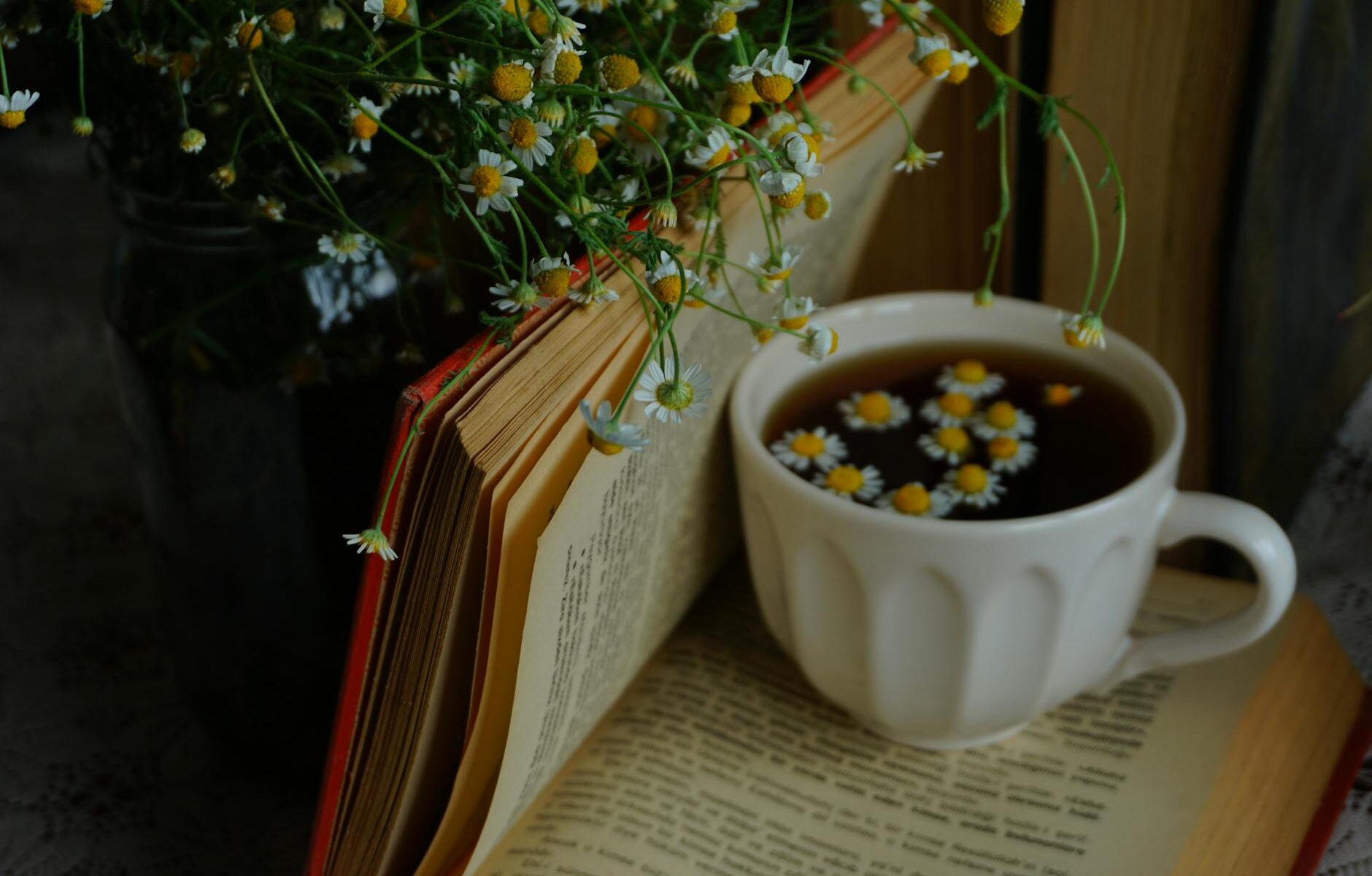
flowers and petals in tea on cup

We have recognised that sleep is important for centuries. In Ancient Greece Hippocrates observed that “the patient should follow our natural habit and spend the day awake and the night asleep” and it is bad if “they exceed their due proportion”.

We all know how important a good nights sleep is, and how sleeping badly can leave us feeling tired and even with low mood the next day. Poor sleep does so much more than that and can cause our insulin to be more erratic and mean we also crave sugar and carbs the next day. Poor sleep that persists is diagnosed as insomnia and can be a factor behind metabolic, cardiovascular and cognitive conditions.

Why is sleep important?

Sleep is not a passive process. During sleep our body is active repairing cells, cleansing systems and rejuvenating. Our digestive systems are cleaning out remnants of food, and ideally, we’ve eaten a light meal a few hours before bed, so that it is not over-working at night.  Sleep is also important for resting the mind and process emotions and events that have happened in the day.

How much sleep do you need?

Everyone is different and you will know your preference. It is suggested that we need 7-9 hours per night, although some people can thrive on less than that. Equally important is sleeping and waking at regular times, although weekends and holidays can sometimes alter this regularity.

Tips for sleep

  • Create a calming bedroom environment – make sure the curtains black-out the summer sun.
  • Use dim lighting in evening times, and a cup of relaxing herbal tea.
  • Digital devices are designed to stimulate and engage us, so minimize use and don’t place in the bedroom if you can.
  • Create a nice sleep routine for every day, for you, and your family.