
Should you take supplements or not?
In September, one of the van Tulleken Doctor and broadcaster brothers claimed that taking supplements is a complete waste of time.
My thoughts, yes and no.
What are supplements?
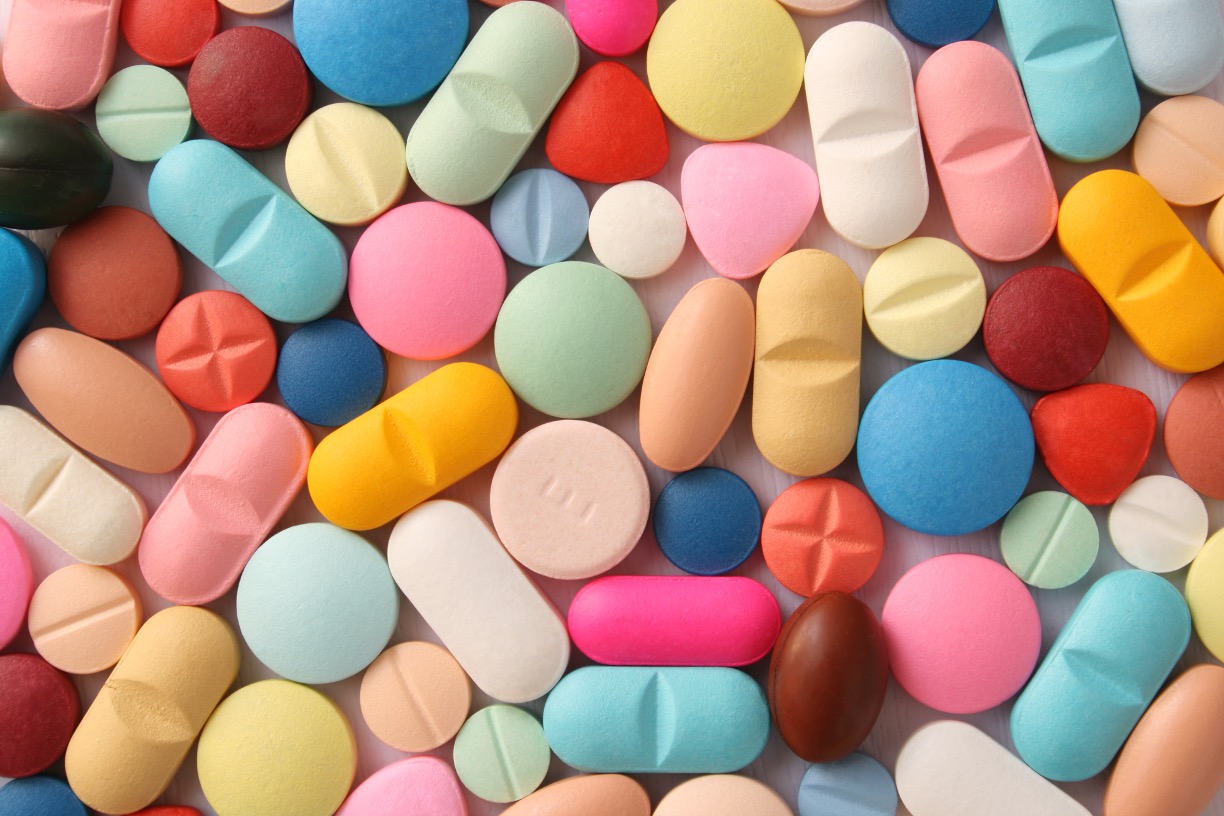
Dietary supplements, food supplements, nutraceuticals, or botanicals come in a vast range of formats. In the UK they fall under food regulations e.g. require certain labelling standards and must comply with health claim restrictions. Supplements include herbs, vitamins or minerals, or innovative nutraceuticals that simply come in a handy format that we can take daily. Herbal supplements are often powdered herb in capsules, other supplements might be tablets, or even gummies. In the US, some of the more medicinal herbal teas are regulated as food supplements. Supplements can use scientific sounding terms like nanotechnology, Enzyme Q150, AZ1, to make them sound medical and effective.
So I might agree with the Doctor that it is the wild-west out there and most people could do with more helpful information on what supplements are and what to look out for.
Are supplements good?
Yes. Some are essential at certain times of our life. The NHS recommends Folic acid in pregnancy. Vitamin D over the winter months to help keep bones strong. Iron if you are anaemic or have heavy periods. Vitamin B12 if you are vegan or vegetarian.
Doctor van T might be right in saying we should get all of our vitamins and minerals in a healthy balanced diet but we know we don’t always achieve this. As an older woman wanting to look after my bones and who does not drink milk, I sometimes reach for calcium tablets or fortified juices. So in short, many vitamin and mineral supplements can be extremely helpful to us.
I could write at great length on the benefits of many herbal supplements. St John’s Wort is as effective as anti-depressant medications. Andrographis paniculata is a substitute for antibiotics for cold and flu treatment. Ashwagandha is a well established support for stress and fatigue. Many herbal supplements are very well substantiated although there is never enough research to integrate them within medical practice guidelines which is why Doctors cannot prescribe them. So many herbal supplements are also evidence-backed and helpful to us at certain times.
When are supplements NOT needed?
As a health coach my eyebrow raises quite often when clients have been to other therapists and have been recommended enough daily supplements to start a small pharmacy shop! No kidding, one client was taking about 20 different products daily. Not only is this costly, as with medicines, we do not know how these are interacting in the body. Quite often cheaper supplements are also quite poorly absorbed so either won’t get in, or if you don’t need them all, the body will simply pee them out. Expensive pee eh!
Do you want my 40ish year’s worth of experience?
You should not be taking 20 daily supplements. I would worry that a client was taking 10 or 5 every day. What we would do is explore their foundations of good sleep, good diet and good exercise. This is where I agree with the Doctor van T, there are over-zealous therapists out there making recommendations as if they were selling packets of Smarties, and the wellbeing industry is a £ multi-billion one, and very good at marketing products. At this moment you may have noticed vigorous advertising to older women – selling you solutions for the perimenopause and menopause which are increasingly marketed as if they were disease and they are peddling to our fears. Menfolk, watch out, your time is coming.
If you are living and eating well, there may be one or two supplements you might take daily, or keep in your kitchen cupboard until you have a specific need. I take calcium and omega 3 oils occasionally, and herbal remedies when I need them. But not every day.
How to select supplements
Listen to your body, not anyone else, unless your own Doctor or Pharmacist is recommending something that you need. If you are needing a supplement then try and buy the most expensive version you can from a reputable stockist, and be very cautious if buying something via Amazon where the quality of the product may be questionable. Do research the brands and companies you are buying from. Cheaper supplements may have fillers and preservatives in them and contain very little active ingredient. Do look at the ingredient lists and Google anything you don’t understand.
Do go and speak with your Pharmacist – they are incredibly knowledgable people not just about pharmaceutical medicines but supplements too. They will give you good solid advice. Alternatively if you are paying for a therapist, do make sure they are registered with their professional body at least for some reassurance, and do ask as they might have accounts with supplement companies or sales platforms and receive a cut.
Summary
Many supplements are backed by research and play an important role in keeping us healthy. However, these are “supplements” and not “replacements” so should not be a substitute for a balanced diet and lifestyle. If you are on more than two each day I would question that. If you have a small supply of go-to remedies in your cupboard that you use on occasions that is absolutely fine.
I’m personally very disappointed in the Doctor van T as he usually has a very balanced perspective, but I do believe he is just trying to sell a book.
Some swaps to try:
Probiotics – take a spoonfull of natural yogurt every day.
Vitamin C – forage for autumn berries and make a spicy rob.
Prebiotics – eat spices, prunes and other soft fruit.
Omega 3 – tins of sardines or mackerel. (Added benefit of calcium and protein).
L-theanine – have a cup of black tea.
Digestive enzymes – eat more plant bitters e.g. chamomile, dandelion, bitter tonics before meals.
Anthocyanins – red cabbage or beetroot anyone?
Some mega / neuro sleep product – chamomile tea.
Good night.