
So many people are experiencing hay fever right now which is possibly due to the long hot spring we’ve had. Rain often keeps the pollen at bay, but its been terribly dry. Hay fever is what medically is known as allergic rhinitis and symptoms I’m sure you know well like sneezing, sore nose, runny nose, and irritated streaming eyes. People who suffer badly can struggle to sleep and feel exhausted, and this can really affect their lives, particularly if they work or are sitting exams.
Treatments
Sometimes antihistamine tablets taken orally are the best bet, or if your eyes suffer, taking some soothing eye drops can make a huge difference. But did you know some plants contain antihistamine compounds too – the good old stinging nettle Urtica doica and nigella (Nigella sativa) – which are easy to grow. Plus onions and capers which contain a compound called quercetin which can reduce allergic pathways.
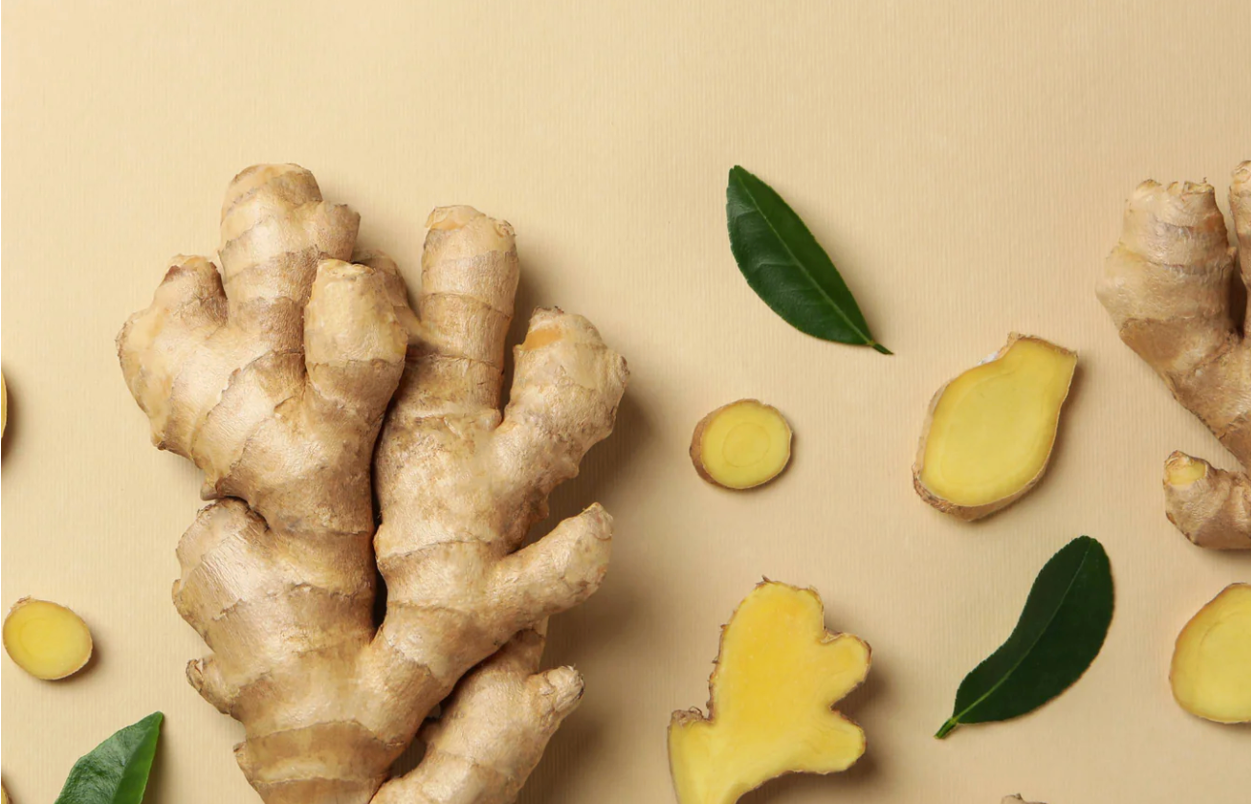
And also ginger – that was a new one on me!
Ginger can sooth allergic rhinitis
In a good quality research trial, ginger was compared to an over-the-counter antihistamine called Loratadine which you may see on sale as Claritin. People diagnosed with allergic rhinitis took either ginger or loratadine in capsules orally for 6 weeks. The nasal symptoms were measured by a survey – runny nose, itchy nose, nasal congestion and sneezing. A quality of live survey also recorded sleep, emotional and day-time problems encountered. There were 36 people in each group.
The results showed ginger was as good as loratadine for all of the measures. Participants had improved nasal symptoms like less itching, runny nose and sneezing. The quality of life symptoms also improved. There were mild side effects and the main thing experienced was excessive belching due to the ginger, but it did not cause drowsiness or fatigue like the loratadine.
Can ginger specifically help with hay fever?
In the study the patients had rhinitis from many different causes. You can get it from environmental irritants like dust mites or pet dander. Hay fever is an allergic response to pollen, but because the biology is the same, then yes, ginger may be good for hay fever.
I would try and find a good quality ginger supplement so you can take it daily in the right dose. What I don’t know is whether eating raw ginger daily or drinking ginger tea would also help – but it would not do any harm. Ginger can be quite harsh on the tummy so do watch out for any gastric irritation if you are eating raw ginger.
What else to soothe the symptoms?
When I wore contact lenses I’d stop using them as I know the pollen would gather more in my eyes. Using eye washes and eye baths can really be soothing. Vaseline around the nose if you are working outside can trap pollen, and the usual lovely steam baths like mint can help with any decongestion.
Good luck!
Reference:
Yamprasert R, et al. (2020). Ginger extract versus Loratadine in the treatment of allergic rhinitis: a randomized controlled trial. BMC Complementary Medicine and Therapies, 20;20(1):119. doi: 10.1186/s12906-020-2875-z. https://pubmed.ncbi.nlm.nih.gov/32312261/